
I then go on to tell them about studies where people attacked for their beliefs become more entrenched in their positions.
The current form of argument in our culture--by politicians, by folks on Twitter--doesn't convince anyone. If it doesn't lead to entrenchment, it often leads to indifference.
Along the same lines, "then we confront the villain with the villain's misdeeds and the villain collapses in apologies" trope in fictional mysteries is completely unbelievable. Not that it can't happen. The murderer's resigned and exhausted confession at the end of Christie's Murder in Mesopotamia is entirely believable. But murderers are far more likely to either go on justifying themselves or denying the obvious.
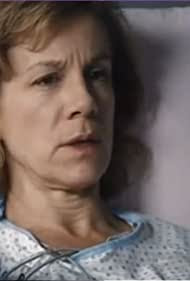
What makes the scene so great is that the wife is not a demure passive wilting flower. She's a strident, outspoken woman who simply won't believe that her husband was unfaithful (even though he clearly was).
Law & Order offers a fantastic episode, "Denial," in which a husband arranges for a hit on his wife. He then tries to call off the hit, but she is shot anyway. She ends up in the hospital where she eventually dies after several weeks.
The American version naturally circles around a legal issue, namely the rights of the individual (a DNR) versus the rights of the state to complete its legal case.

Why do people cling to stories--including stories about others?
I suggest because the story of "here's what's going on/here's where everyone stands/here are all the answers" is terrifically compelling and stabilizing. As Chris Stirewalt states in an article from May, "The myth [that everything is bad because the people in charge screwed up] is persistent for many reasons, including the human tendency to
blame external forces for our misfortunes, but also because the people
who think they are in charge want to believe they have that kind of power. Even if you’re a screw up, you’re a screw up with clout." In addition to clout, I propose that the same people are seeking constancy: "You're a screw up with a secure role in the world."
Even toddlers prefer negative attention to no attention at all.
No comments:
Post a Comment